Finding Your Rhythm with Local Farmers Markets and Seasonal Produce

Many people believe that eating fresh, seasonal produce in the Northwest Territories is an impossible task reserved only for the height of summer. This is a mistake. While our growing season is short, the combination of local greenhouse innovation and a highly organized seasonal market circuit means you can actually access high-quality nutrition year-round if you know where to look. This guide explains how to time your shopping with the local harvest, which vendors to prioritize, and how to stock up effectively before the winter freeze sets in.
How Do I Find Fresh Produce in Yellowknife?
You can find fresh local produce primarily through the Yellowknife Farmers' Market and specialized local greenhouses that operate throughout the North. Most of your high-quality greens and hardy vegetables will appear during the summer months, but the infrastructure for local food is more resilient than it looks. It isn't just about the outdoor markets; it's about understanding the local supply chain.
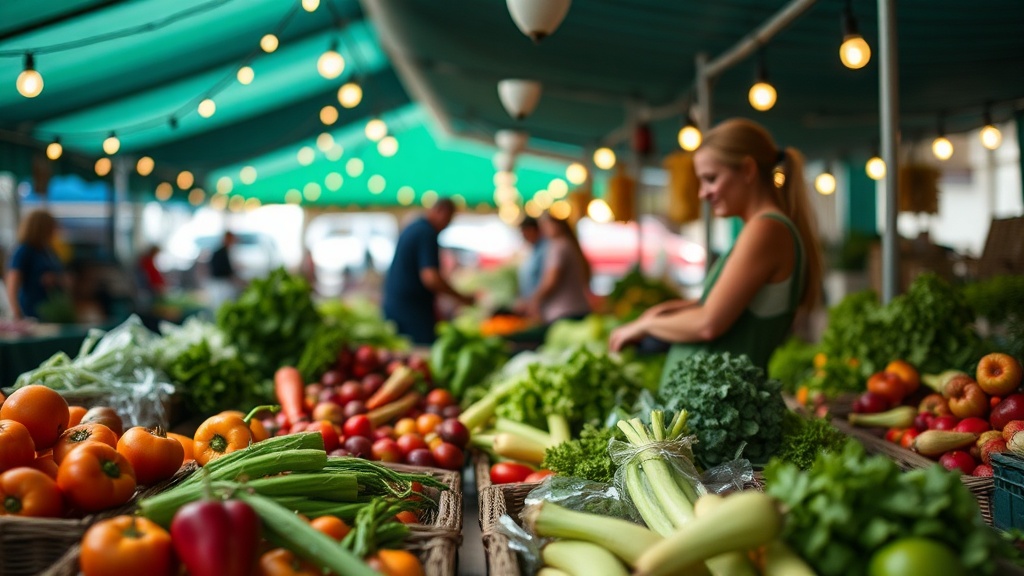
The Yellowknife Farmers' Market is the heartbeat of our local food scene. It's a hub where local growers, artisans, and producers gather to sell everything from organic greens to handmade preserves. You'll find that the selection changes rapidly based on what's actually growing in the surrounding area. If you're looking for more than just vegetables, it's also a great way to find local crafts and baked goods.
When you're out there, keep an eye out for vendors specializing in microgreens or hardy herbs. These are often easier to produce in our climate and provide a massive boost to your home cooking. If you've already spent time cultivating resilience in your own garden, you'll appreciate the quality of the produce being sold by your neighbors.
Don't forget that local availability isn't limited to the markets. Many local producers also supply local grocery stores and restaurants directly. This means that even when the market isn't running, you can still find high-quality, locally-grown items in the aisles of your usual shops.
What Is the Best Way to Shop for Seasonal Food?
The best way to shop is to follow the natural rhythm of the Northern seasons—buying heavily during the late summer and transitioning to preserved goods in the winter.
To get the most out of your food budget and nutrition, you need a strategy. You can't shop like someone living in Southern Canada. Our seasons are too extreme. Instead, think in terms of "fresh windows" and "preservation windows."
- The Summer Peak (July - August): This is when the markets are at their most vibrant. This is the time to buy in bulk—think berries, leafy greens, and root vegetables.
- The Harvest Transition (September - October): As the temperature drops, look for hardy vegetables like potatoes, carrots, and onions. These are the staples that will carry you through the colder months.
- The Preservation Phase (November - June): During the long winter, your "local" food comes from jars and freezers. This is when you rely on the jams, pickles, and dried goods produced during the summer.
A quick tip: always check the official agricultural guidelines for the North if you want to understand why certain crops are more viable here than others. It helps to understand the "why" behind the availability.
Comparison of Local Food Sources
| Source Type | Best For... | Availability | Price Point |
|---|---|---|---|
| Farmers' Markets | Fresh greens, berries, and artisan goods | Summer/Early Fall | Mid-range |
| Local Grocers | Daily staples and greenhouse produce | Year-round | Varies |
| Direct from Growers | Bulk orders and specific seasonal crops | Seasonal | Best value for bulk |
How Much Does Local Produce Cost in the North?
Local produce often carries a higher price tag than imported goods from the south, but the difference in quality and shelf life usually justifies the cost. While a head of lettuce from a big-box retailer might seem cheaper, a local greenhouse-grown version often lasts longer and has more flavor. You're paying for the short-haul transport and the specialized-growing techniques required to survive our climate.
It's a trade-off. You're paying for freshness and supporting the local economy. If you buy a bag of apples from a southern distributor, they've likely traveled thousands of kilometers. By the time they reach Yellowknife, they've lost much of their nutritional density. Local produce is different. It's often picked at peak ripeness and gets to your plate much faster.
If you're looking for a quick snack or a light meal, you might want to check out where to grab a quick bite in downtown Yellowknife. Many of these spots use the very ingredients you'd find at the farmers' market, giving you a taste of the local harvest in a ready-to-eat format.
One thing to remember: prices can fluctuate wildly based on the weather. A particularly harsh frost can wipe out a local crop, driving prices up temporarily. This is why having a backup plan—like a well-stocked pantry of dried goods—is so important in the North.
How Can I Support Local Growers Year-Round?
You can support local growers by purchasing their preserved goods during the off-season and staying informed about their specific growing cycles.
Supporting local isn't just a summer activity. In fact, the most important time to support our producers is during the long, dark months. This is when their business models are most vulnerable. If you want to be a truly local-minded consumer, your shopping habits should reflect the seasons.
Here is how you can actually make a difference:
- Buy the Jars: When the market season ends, don't stop buying. Buy the honey, the jams, and the pickled vegetables. These products keep the local economy moving through the winter.
- Use the Greenhouse: Seek out products from Northern-based greenhouse operations. They are working hard to extend our growing seasons, and their products are much more reliable than imported options.
- Spread the Word: If you find a vendor at the market who makes an incredible hot sauce or a perfect batch of sourdough, tell people. Word of mouth is everything in a small community like ours.
It's also worth noting that many local producers offer subscription services or "CSA" (Community Supported Agriculture) boxes. This is a fantastic way to ensure you get a consistent supply of the best the North has to offer while providing the grower with much-needed upfront capital. It's a win-win for everyone involved.
If you're worried about the logistics of managing your food storage, you might find my post on managing your property and local services helpful, as it touches on the broader aspects of living and sustaining yourself in this unique environment. Living here requires a certain level of preparation, and that includes how you manage your kitchen.
Ultimately, finding your rhythm with the local food scene is about more than just grocery shopping. It's about participating in the seasonal cycle of the North. It requires a bit of planning and a bit of flexibility, but the reward is a much deeper connection to the land and the community we call home.