Cultivating Resilience: Your Guide to Yellowknife Gardening

What makes gardening in Yellowknife different?
Here in Yellowknife, where the land often feels as wild as it is beautiful, the idea of a thriving garden might seem like a dream for many. But it’s surprisingly achievable—if you know how to work with our unique environment, that is. After all, Yellowknife averages only 111 to 123 frost-free days each year, a significantly tighter window than many southern gardeners enjoy. This brief, intense growing season, coupled with our distinct subarctic conditions, means conventional gardening advice often misses the mark. This guide will walk you through the specifics of cultivating a productive garden right here in the NWT, focusing on strategies that genuinely make a difference for local growers.
We face hurdles like persistent cold soil, the pervasive challenge of permafrost in some areas, and even the phenomenon of radiative cooling that can sneak a frost in on a seemingly warm night. Yet, the long hours of summer daylight are an incredible asset, providing plants with an abundance of energy to grow rapidly. Learning to harness these elements—and mitigate the others—is the key to seeing your Yellowknife garden flourish.
Which plants truly thrive in our northern climate?
Choosing the right plants is arguably the single most important decision for a Yellowknife gardener. You simply won't have success trying to grow heat-loving crops that demand an extended, balmy summer. Instead, focus on varieties known for their resilience and quick maturation in cooler temperatures. Think of your garden as a specialized unit, geared towards productivity rather than exoticism.
Hardy Vegetables and Herbs
- Root Vegetables: Carrots, radishes, beets, and potatoes are absolute champions here. They appreciate the cooler soil temperatures, and many varieties mature quickly.
- Leafy Greens: Kale, spinach, Swiss chard, and various lettuces positively love our long daylight hours. They grow fast and tend to be quite frost-tolerant, meaning you can often get multiple harvests.
- Cabbage Family: Broccoli, cauliflower, and, of course, cabbage itself do remarkably well.
- Peas: Both shelling and snap peas are excellent choices, often producing abundantly.
- Herbs: Dill, cilantro, parsley, chives, and mint are generally very successful.
When selecting seeds, always look for varieties labeled 'early maturing' or 'cold-hardy.' These distinctions are far from marketing gimmicks up here; they're vital indicators of success. For example, some potato varieties are ready in 60-70 days, while others need 90 or more—that difference could mean a harvest or a total loss in our short season.
Flowers for a Northern Burst
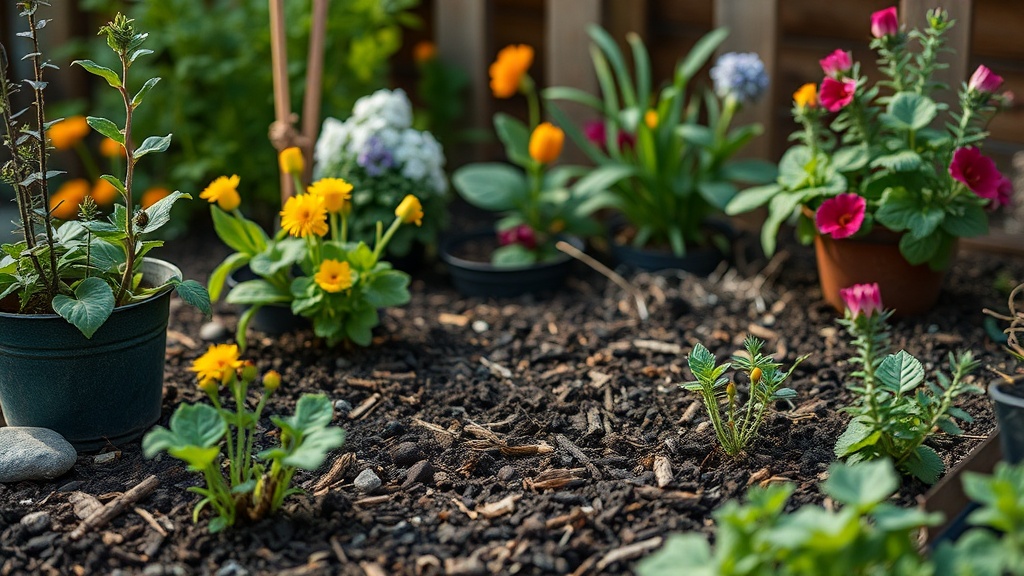
Don't forget flowers! They add beauty, attract pollinators, and can even help deter pests. Annuals like calendula, sweet peas, snapdragons, marigolds, and nasturtiums often perform wonderfully. For perennials, look for Zone 0b or Zone 1 varieties; hardy delphiniums, lupines, and some varieties of potentilla can brighten your northern landscape for years.
How can you extend Yellowknife’s short growing season?
This is where northern gardening truly becomes an exercise in ingenuity. Relying solely on the natural frost-free window is often insufficient for a substantial harvest. Season extension techniques are your best friends, turning those few short months into a more forgiving and productive period.
Starting Seeds Indoors
The most fundamental extension strategy is to get a head start. Begin most of your vegetables—especially tomatoes, peppers (even if they’re a long shot), and brassicas like broccoli and cabbage—indoors 6-8 weeks before the last expected frost date, which is typically late May for Yellowknife. This means seeds go into trays in late March or early April. Give them plenty of light using grow lights; a south-facing window often isn't enough to prevent leggy, weak seedlings.
Raised Beds: The Foundation of Northern Gardening
Raised garden beds are almost a prerequisite for successful growing in Yellowknife. Why? They warm up much faster in the spring, draining better than ground-level plots and offering more control over your soil composition. You can fill them with a rich mix of compost, good topsoil, and amendments, bypassing our often-rocky or permafrost-affected native soil. Aim for beds at least 12 inches deep, but 18-24 inches is even better for root vegetables.
Cold Frames and Row Covers
These are your immediate line of defense against the unpredictable northern weather:
- Cold Frames: Essentially bottomless boxes with clear tops, cold frames act like miniature greenhouses. Place them over your raised beds in early spring to warm the soil for planting sooner, and keep them on in the fall to protect crops from early frosts.
- Floating Row Covers: Lightweight, translucent fabric covers draped over plants provide a few degrees of frost protection and also act as a barrier against pests. They're easy to deploy and remove as needed.
A surprising number of people search for `NWT greenhouse grants` or `arctic gardening solutions`. While full-sized heated greenhouses offer the most significant season extension, they represent a considerable investment. For the home gardener, well-managed cold frames and mini hoop houses (simple hoops covered with greenhouse plastic) can provide similar benefits at a fraction of the cost, extending your harvest by weeks on both ends of the season.
Watering and Soil Health: Our Arid Reality
Despite being surrounded by lakes, Yellowknife's climate is surprisingly semi-arid. High evaporation rates during our long daylight hours mean your garden will need consistent watering. Drip irrigation or soaker hoses are incredibly efficient, delivering water directly to the root zone and reducing waste. Regular additions of compost and other organic matter will also dramatically improve your soil’s water retention capacity, making your garden more drought-resistant and reducing your workload.
Leveraging Local Resources
Yellowknife isn't alone in its gardening endeavors! The Yellowknife Garden Collective (