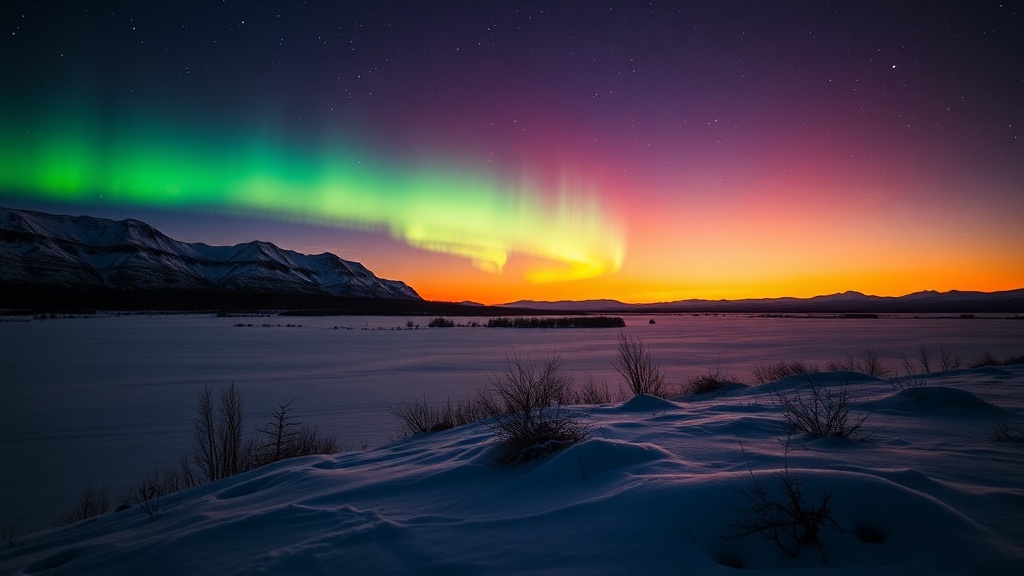
Best Spots for Northern Sunsets and Aurora Viewing

Cameron Falls Trails
The Old Town Waterfront
Great Slave Lake Shoreline
Imagine standing on the edge of a frozen lake near Old Town, the temperature hitting -30°C, while the sky suddenly shifts from deep violet to a vivid, dancing neon green. This isn't a dream; it's a standard Tuesday night in the Northwest Territories. Finding the right spot to watch the sun dip below the horizon or to witness the Aurora Borealis requires more than just stepping outside—it requires knowing where the light hits best and where the wind won't bite quite as hard. This list breaks down the absolute best locations in and around Yellowknife for catching these light shows.
Where is the best place to see the Aurora in Yellowknife?
The best places to see the Aurora near Yellowknife are the outskirts of the city, specifically areas like the Aurora Village or the outskirts of Great Slave Lake, where light pollution is minimal. While you can see the lights from downtown, the real magic happens when you get away from the streetlights of the residential areas. If you want a professional setup, many people book a guided tour through companies like Aurora Village, which provides heated teepees and structured viewing. However, if you're a solo traveler or a local, heading toward the outskirts of Old Town or the outskirts of the city provides a more rugged, authentic experience.
The key is distance. If you're standing right under a streetlamp in a residential neighborhood, the contrast won't be nearly as striking. You want darkness to make that green glow pop against the black sky. Most locals will tell you that the more "empty" the space, the better the show. It's not just about the sky; it's about the unobstructed view of the horizon.
One thing to remember—and this is a big one—is that the wind is your enemy. Even if the sky is clear, a sudden gust can ruin your night. Always pack more layers than you think you need. I’m talking about heavy-duty gear like a Patagonia Nano Puff or a heavy parka. If you don't prepare for the cold, you'll be heading back to your car after ten minutes. It's a common mistake.
Top Aurora Viewing Locations
- The Old Town Waterfront: Great for quick views, but the light from the houses can be a nuisance.
- Cameron Falls: A bit further out, offering a stunning backdrop of frozen waterfalls and minimal light pollution.
- Great Slave Lake Shorelines: The vast, open water provides a massive "mirror" effect for the lights.
- Aurora Village: The premium option if you want a heated tent and a hot drink while you watch.
Where can I watch the best sunsets in Yellowknife?
The best spots for sunsets in Yellowknife are typically the high points or the shorelines of the major lakes, such as the viewpoints near the Old Town or the trails overlooking Great Slave Lake. Unlike the Aurora, which is a nighttime event, sunsets are about the angle of the sun hitting the ice and the clouds. In the winter, the sun stays low on the horizon, creating long, dramatic shadows and intense oranges that feel much more abrupt than in the summer.
If you want a view that doesn't require a long hike, the areas around the territories' natural landmarks near the city limits are perfect. Driving out toward the outskirts of the city allows you to see the sun set over the vastness of the tundra. It’s a different kind of silence than the night-time Aurora viewing. It's a peaceful, heavy kind of silence.
A great way to enjoy a sunset is to pair it with a hot drink. Before you head out to catch that golden hour, you might want to find a cozy coffee spot to grab a latte or a tea. It makes the transition from the warmth of a shop to the cold of the outdoors much more bearable.
| Location Type | Best For... | Pros | Cons |
|---|---|---|---|
| Old Town Waterfront | Convenience | Easy access, great views of the bay. | Some light pollution from houses. |
| Great Slave Lake Shore | Scale & Reflection | Massive, unobstructed views. | Very windy and exposed. |
| Guided Aurora Camp | Comfort & Groups | Heated tents, food, and experts. | More expensive than solo viewing. |
| Outskirts/Backroads | Solitude | Zero light pollution, total silence. | Requires a reliable vehicle and GPS. |
What equipment do I need for Aurora viewing?
You need a tripod, a camera with manual settings (or a high-end smartphone), and extremely warm clothing to successfully view the Aurora. If you're using a camera, a tripod is non-negotiable because long exposure shots are required to capture the movement of the lights. Without a stable base, your photos will just be a blurry mess of light.
Don't forget your electronics. Cold temperatures kill battery life faster than almost anything else. I've seen people's phones die in minutes because they weren't prepared. Keep your spare batteries in an inner pocket close to your body heat. It's a simple trick, but it's a lifesaver. If you're out there for hours, you'll definitely notice the difference.
For the actual viewing (not just the photography), your gear is your survival. I've seen people try to "tough it out" in standard denim jeans, and it's a disaster. You need technical layers. Think merino wool base layers and a heavy outer shell. If you're driving, make sure your vehicle is prepared for the terrain. If you haven't checked your tires or battery lately, look into winter survival for your vehicle to ensure you don't end up stranded in the dark.
Essential Gear Checklist
- The Basics: Headlamp (with red light mode to preserve night vision), extra batteries, and a power bank.
- Photography: A sturdy tripod, a wide-angle lens, and a remote shutter release.
- Clothing: Thermal base layers, heavy parkas, insulated gloves (mittens are better), and waterproof boots.
- Comfort: A thermos of hot tea or coffee and perhaps a foldable camp chair if you're staying for a long session.
The light in the North is something you can't quite prepare for. One moment you're looking at a dark, empty sky, and the next, the atmosphere is alive. Whether you're looking for that perfect sunset or the elusive green glow of the Aurora, the key is patience and, most importantly, warmth.