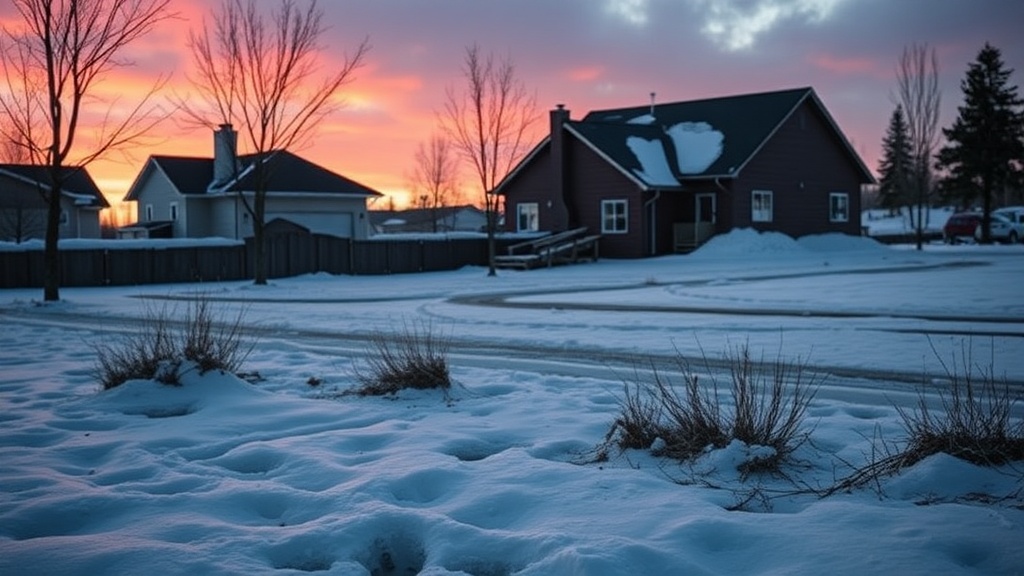
Preparing Your Yellowknife Property for the Annual Spring Thaw

Nearly 80% of the structural damage reported to homes in the Northwest Territories during the spring months involves issues stemming from the freeze-thaw cycle. In Yellowknife, where the ground undergoes massive shifts as the permafrost reacts to the changing seasons, preparing your property isn't just a suggestion—it's a way to protect your biggest investment. This guide covers the specific steps we need to take around our Yellowknife properties to manage water runoff, check foundation stability, and deal with the muddy reality of the spring thaw.
What are the biggest risks to Yellowknife homes during spring?
The primary concern for any resident in neighborhoods like 50th Avenue or near the Old Town area is the movement of the ground. As the ice melts, the ground becomes incredibly soft and unstable. If you have a deck, a garage, or a shed, you might notice it's sitting at a slightly different angle than it was in October. This isn't just a quirk of living in the North; it's the reality of building on terrain that changes constantly. Water management is also a massive headache. When the snow melts rapidly, the runoff can pool around your basement or your foundation. If your gutters aren't clear, that water finds its way right into your crawlspace or basement. We've seen many neighbors in the Frame Ridge area struggle with basement dampness because the drainage-ways weren't cleared of debris from the long winter.
Another thing to watch for is the weight of the water. A saturated yard in Yellowknife can lead to much more significant erosion than you might expect. If you have a slope on your property, the melt can wash away much of your topsoil and even threaten the stability of your retaining walls. It's a process that happens fast once the sun starts hitting the snow-covered patches of the city.
How can I prevent water damage around my property?
The first step is to inspect your drainage systems. Check your downspouts and ensure they are directing water away from your foundation. In Yellowknife, it's common to see water pooling near the walls of a house because the ground is still frozen underneath the surface melt. You might want to use a shovel to clear any ice buildup from your gutters or downspouts immediately. If you see water running toward your house, try to create a temporary berm or redirect it using loose soil or gravel.
- Check your sump pump: If you have a basement, make sure your sump pump is actually working. A quick test to see if it kicks in when water rises is a smart move.
- Inspect the foundation: Look for new cracks or areas where the wall meets the ground. The shifting-ground-of-Yellowknife reality means these cracks can appear quickly.
- Clear the debris: After a heavy snowmelt, your yard will likely have branches or debris that can block small drainage paths.
You can find more technical information on managing residential drainage through the Government of the Northwest Territories website, which offers insights into northern environmental management. Keeping an eye on your local water table levels is also a good idea if you live in a lower-lying area of the city.
When should I call a local professional for repairs?
Don't wait until you see a puddle in your basement to call for help. If you notice a significant crack in your foundation or if your deck is no longer level, it's time to reach out to a professional. In our community, many of us rely on local experts who understand the specific challenges of building on permafrost. If you aren't sure if a crack is a minor cosmetic issue or a structural problem, a quick call to a local Yellowknife contractor can save you thousands in the long run. For example, if you see water leaking through a basement wall, that is an immediate red flag that requires professional attention.
Sometimes, the damage is invisible from the surface. You might have a slow leak in a pipe that was cracked by the frost. If your water bill suddenly spikes or you smell dampness in the basement, don't ignore it. The local weather-driven cycles in Yellowknife can turn a small leak into a major flood in a matter of hours. If you are looking for municipal information regarding city-wide drainage or road-work caused by the thaw, the City of Yellowknife official website is the best place to check for any local alerts or construction updates.
Checking your yard and landscaping
Once the snow has retreated, take a walk around your property. Look for areas where the ground has subsided. This is common in the North, but it can affect your septic system or your driveway. If you have a driveway that is starting to crack or heave, you might need to address it before the summer heat sets in. Also, check your outdoor faucets. If you didn't properly drain your hoses or disconnect them in the fall, the frost might have cracked the pipe, and you'll want to fix that before you need to water your garden in a few weeks.
Maintaining a property in Yellowknife requires a different mindset than in the south. We live in a place where the ground is a living, moving thing. Being proactive about your home's exterior and its connection to the ground will keep your property safe and functional through the changing seasons.