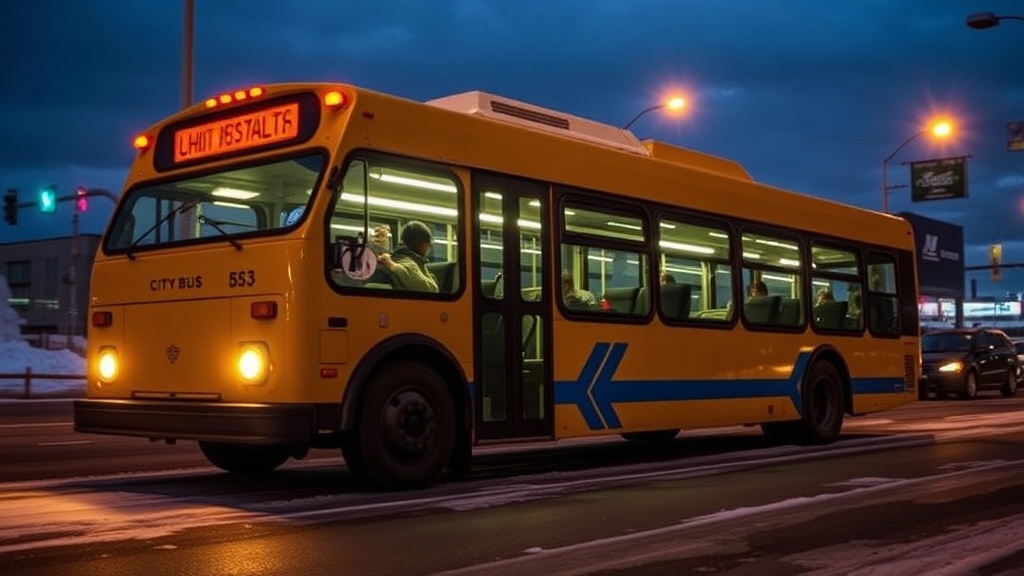
How to Get Around Yellowknife Using the City Bus System

What's the easiest way to travel across Yellowknife without a car?
Living in Yellowknife means dealing with harsh winters, expensive fuel, and limited parking downtown. For many of us, the Yellowknife City Transit system becomes a lifeline—not just a convenience. Whether you're commuting to work on Franklin Avenue, heading to the Yellowknife Public Library for an afternoon, or visiting friends in Frame Lake South, understanding how our local bus system works can save you money, reduce stress, and keep you connected to our community year-round.
The City of Yellowknife operates a public transit system that covers most residential neighbourhoods and key destinations. It's not as extensive as transit in southern cities, but it's reliable, affordable, and designed specifically for our northern reality. If you've never ridden the bus in Yellowknife—or if you've been frustrated by confusing schedules—this guide will walk you through everything you need to know to make the most of our city's transit service.
How do the bus routes work in Yellowknife?
Yellowknife's transit system uses a hub-and-spoke model centered on the Aurora College transit terminal near 51st Avenue. Most routes originate from or connect through this central point, which means you'll often transfer there when traveling between neighbourhoods.
The main routes cover the core residential areas:
- Route 1 (Old Town/Down Town): Connects the historic Old Town area—including Weaver & Devore Trading and the float plane docks—with downtown proper along Franklin Avenue and 49th Street.
- Route 2 (Frame Lake): Serves the Frame Lake area, including the hospital, the Yellowknife Public Library, and the Northern Frontier Visitor Centre.
- Route 3 (Range Lake/Niven): Covers Range Lake, Niven Lake, and the industrial area near the airport.
- Route 4 (School Draw/Somba K'e): Services the School Draw Avenue area, Somba K'e Civic Plaza, and the Multiplex.
Routes run Monday through Saturday, with limited service on Sundays. Weekday service typically starts around 6:30 AM and runs until 9:00 PM, though exact times vary by route. Saturday schedules are reduced, and Sunday service is minimal—so planning ahead is critical, especially if you rely on transit for work or appointments.
One thing newcomers often miss: the printed schedules at bus stops can be outdated. Always check the official City of Yellowknife transit page for the most current route maps and times. The city updates these seasonally, and winter schedules sometimes shift due to road conditions or daylight hours.
How much does it cost to ride the bus in Yellowknife?
Fares are straightforward, though not especially cheap. As of 2024, a single adult fare costs $3.50, which you pay in exact cash when boarding. Drivers don't make change, so carrying loonies and toonies is essential. If you ride regularly, monthly passes offer better value at $75—available for purchase at City Hall on 52nd Street, the Multiplex, and select retailers like the Yellowknife Co-op.
Seniors (65+) and youth (6-18) pay reduced fares with valid ID. Children under five ride free when accompanied by a paying adult. If you're a student at Aurora College, check with student services—some programs include transit passes in their fees, and the college itself is a major transit hub.
Here's a money-saving tip many locals don't know: transfer slips. When you pay your fare, ask the driver for a transfer. These paper slips let you switch buses within a 90-minute window without paying again. Since most trips in Yellowknife require at least one transfer at the Aurora College terminal, this can cut your daily transit costs in half if you're running errands across town.
For low-income residents, the City of Yellowknife offers a Discounted Monthly Pass Program through local social services organizations. If cost is a barrier, contact the SideDoor or the Yellowknife Women's Society—they can help determine eligibility and assist with the application.
What should you know about riding the bus in winter?
Winter transit in Yellowknife isn't like winter transit anywhere else. When temperatures drop to -40°C, waiting at an unsheltered bus stop isn't just uncomfortable—it's dangerous. The city does its best to maintain service during extreme cold, but mechanical issues happen more frequently, and delays are common.
Smart winter transit habits include:
- Check the weather before leaving. If it's below -35°C with wind chill, consider whether your trip is essential—or arrange a ride with a friend or taxi.
- Dress for standing still. Even if your bus ride is only 15 minutes, you might wait 20 minutes at a stop. Wear layers that would keep you warm for an hour outside.
- Know your backup plan. Save the numbers for local taxi companies (City Cab: 867-873-4444, Diamond Cab: 867-873-3311) in your phone. When the bus is delayed or full, having alternatives reduces panic.
- Use transit shelters. The main stops at the Aurora College terminal, the hospital, and Franklin Avenue have heated shelters. Wait inside until you see your bus approaching.
The city also implements a cold weather policy—when temperatures hit -40°C or below, buses may run on modified schedules or routes. Check the City's social media or call the transit info line at 867-920-5600 during extreme weather events.
How can you track buses in real-time?
Unlike larger cities, Yellowknife doesn't have a dedicated transit app with GPS tracking. However, you can get real-time updates through the City's website and social media channels. The Yellowknife Transit Twitter account posts service alerts, detours, and delays—particularly useful during spring breakup when road construction affects routes.
For route planning, Google Maps includes Yellowknife transit data, though it's not always perfectly accurate. Enter your starting point and destination, select the transit icon, and you'll see suggested routes with estimated times. Double-check these against official schedules, especially for Sunday service or routes that run infrequently.
If you're a regular commuter, consider joining local Facebook groups like "Yellowknife Rides" or "Yellowknife Buy and Sell." While not official transit resources, community members often post about bus delays, route changes, or even offer rides when transit isn't running. Our community looks out for each other—especially during the darker months.
What about accessibility and special accommodations?
All Yellowknife Transit buses are wheelchair accessible via front-door ramps. Drivers are trained to assist passengers with mobility challenges, including securing wheelchairs and helping with groceries or strollers. If you need accommodation, signal the driver when the bus approaches— they'll lower the ramp and provide assistance.
Service animals are welcome on all buses. Pets in carriers are also permitted, though drivers may refuse animals that aren't properly contained. During busy periods—like the morning rush on Route 1 or after events at the Multiplex—buses can fill up quickly. If you use a wheelchair or mobility scooter, arriving a few minutes early improves your chances of securing space.
For riders with visual or hearing impairments, the buses don't have automated stop announcements yet (the city is working on this as part of their accessibility upgrades). Tell your driver your destination when you board, and they'll announce your stop or alert you personally when you arrive.
How do you combine transit with other transportation options?
Yellowknife's transit system works best as part of a multi-modal approach. Many residents bike or walk during the summer months, using the bus only when weather turns or distances are too far. The Aurora College terminal offers bike racks, and most buses have front-mounted bike carriers—though these are removed during winter months when salt and sand make cycling impractical.
Parking downtown is expensive and limited. If you live in a neighbourhood with decent transit service—like Frame Lake or parts of Old Town—consider leaving your car at home for work commutes. The money saved on parking and fuel adds up quickly, and you'll avoid the headache of finding a spot near City Hall or the post office on Franklin Avenue.
For airport travel, Yellowknife Transit doesn't directly serve the terminal (it's about 5 km from the nearest stop). Most travelers use taxis, hotel shuttles, or arrange rides. If you're budget-conscious, you can take Route 3 to the airport industrial area and walk the remaining distance—though this isn't practical with heavy luggage or in winter.
What resources should you bookmark?
Keeping these links handy will make your transit experience smoother:
- The official Yellowknife Transit page for schedules, maps, and fare information
- The transit information line: 867-920-5600 (answered during business hours)
- City of Yellowknife social media accounts for real-time service updates
- Your neighbourhood's community association—many advocate for transit improvements and share local tips
Riding the bus in Yellowknife isn't just about getting from point A to point B. It's about participating in our community, reducing your environmental footprint, and saving money in one of Canada's most expensive cities to live. With a little preparation and the right expectations, our transit system can serve you well—whether you're heading to the library on 49th Street, catching a show at the Northern Arts and Cultural Centre, or commuting to the hospital for a shift. The more we use and support public transit in Yellowknife, the stronger our case for expanded service and better infrastructure in the years ahead.